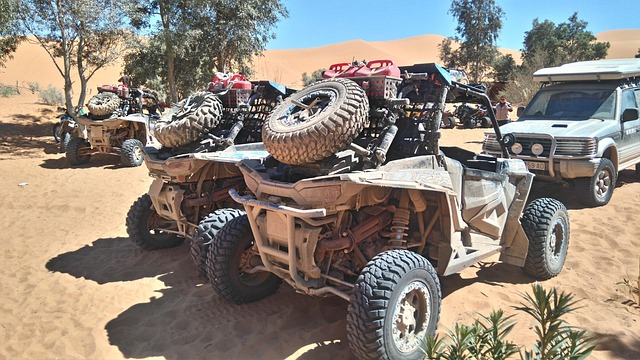
The Brownsville fleet Truck recovery equipment exemplifies specialized shackle use, with types like chain and wire rope offering strength and lateral support for diverse applications. Critical factors include capacity, load bearing, material strength, and maintenance to prevent overloading and ensure longevity. Historical ties to oppression highlight the need for ethical consideration in modern use, prompting advancements in durable, versatile alternatives. The Brownsville fleet's success lies in top-tier equipment, advanced technology like GPS tracking, tailored recovery plans, and regular assessments. Strict safety regulations govern shackle use, with non-compliance leading to penalties; proactive safety management includes regular inspections and smart shackles for real-time monitoring. Future trends include sensors, AI, electric vehicles, and interconnected logistics networks, requiring focus on innovation for competitive edge in the transportation sector.
Shackles, an essential component in various industries, have long been a point of concern due to their inherent risks and potential for failure. In environments demanding heavy-lift operations, such as the maritime sector, especially with the recovery of Brownsville fleet trucks, the reliance on robust equipment like truck recovery shackles is paramount. These shackles serve as critical safety measures, yet their improper use or inferior quality can lead to catastrophic accidents. This article delves into the intricacies of shackle functionality, explores the challenges posed by inadequate equipment, and offers insights into how specialized recovery equipment, designed with precision and durability in mind, can transform safety protocols, ensuring operations are conducted smoothly and securely.
- Understanding Shackles: Definitions and Types
- Historical Perspective: From Past to Present
- Brownsville Fleet: A Case Study in Truck Recovery
- Essential Equipment: Truck Recovery in Action
- Safety and Regulation: Legal Aspects of Shackle Use
- Future Trends: Innovations in Truck Recovery Technology
Understanding Shackles: Definitions and Types

Shackles, an ancient yet ubiquitous tool, have evolved far beyond their rudimentary origins. They are essentially rigid bars or chains used to bind, secure, or restrict movement, and their versatility is evident across various industries. In the realm of heavy-duty operations, such as fleet management and truck recovery, shackles play a pivotal role in ensuring the safe transport and retrieval of vehicles. The Brownsville fleet, known for its extensive truck recovery equipment, leverages these tools to navigate complex scenarios, showcasing their practical application.
Understanding shackles involves recognizing their diverse types, each tailored to specific tasks. For instance, chain shackles, commonly used in heavy-duty operations, offer exceptional strength and durability. These are ideal for securing large vehicles or heavy machinery during transportation. On the other hand, wire rope shackles, featuring a robust yet flexible construction, find application in scenarios demanding lateral support or tension relief. In fleet management, where efficiency and safety are paramount, proper selection of shackles is crucial. For instance, selecting Brownsville fleet’s specialized truck recovery equipment ensures optimal performance during challenging recoveries, minimizing damage to both the vehicle and the recovery team.
The key to effective shackle utilization lies in understanding their ratings and limitations. Capacity, load bearing, and material strength are critical factors to consider. Overloading shackles can lead to failure, posing significant risks. Therefore, professionals must adhere to manufacturer guidelines and industry standards. Regular maintenance and inspection are also vital. Corrosion prevention, for instance, is a critical aspect of shackle care, especially in maritime or outdoor environments. By prioritizing these aspects, fleet managers can ensure their recovery operations run smoothly, minimizing downtime and potential damages associated with substandard equipment.
Historical Perspective: From Past to Present

Shackles, as a means of restraint and control, have evolved significantly over centuries, reflecting societal changes and technological advancements. Historically, shackles were primarily used in slavery, with iron chains binding captives, symbolizing oppression and dehumanization. The Brownsville fleet, for instance, notorious for its transport of enslaved Africans across the Atlantic, relied heavily on truck recovery equipment, including shackles, to secure their human cargo. This dark chapter underscored the need for reform and led to early movements advocating for abolition.
As time progressed, shackles found new purposes in law enforcement and industrial settings. In the 19th century, they were used to restrain criminals, a practice that continues today but has faced increasing scrutiny due to concerns over human rights and brutality. Interestingly, advancements in materials science led to the development of more durable and versatile shackles, such as those made from steel, enhancing their effectiveness while raising ethical questions. In industries like construction, shackles are integral to safety equipment, securing workers during hazardous tasks, a stark contrast to their historical use as tools of bondage.
Today, the perception and use of shackles continue to evolve. Modern alternatives aim to balance security with humanity, incorporating design elements that minimize discomfort and promote respect for individual rights. For instance, some law enforcement agencies have adopted less restrictive restraint methods, recognizing the potential for misuse of traditional shackles. Additionally, the ongoing conversation around mass incarceration highlights the need for critical examination of confinement practices, including the role of shackles in correctional facilities. Brownsville fleet truck recovery equipment, once a symbol of oppression, now serves as a reminder to continually reevaluate and refine our approaches to restraint and control.
Brownsville Fleet: A Case Study in Truck Recovery

The Brownsville Fleet, a remarkable case study, showcases the intricate world of truck recovery, highlighting the critical role of efficient fleet management. This diverse fleet, operating within a bustling urban environment, faces unique challenges daily. Over time, the wear and tear on these vehicles accumulate, leading to potential losses for operators if not addressed promptly. Herein lies the significance of implementing robust truck recovery strategies.
Brownsville Fleet’s success story is attributed to their forward-thinking approach. They recognized the value of investing in top-tier truck recovery equipment, which has significantly enhanced their operational efficiency. For instance, their utilization of advanced towing and recovery vehicles allows for swift response times during roadside assistance calls. These specialized trucks are equipped with modern features such as powerful winches, air bags, and sophisticated control systems, ensuring safe and effective vehicle recovery. Furthermore, the fleet’s adoption of innovative technology, like GPS tracking and telematics, enables real-time monitoring, facilitating proactive maintenance schedules.
Practical insights from this case study include the necessity of regular fleet assessments and tailored recovery plans. By analyzing vehicle usage patterns and identifying high-risk areas, operators can make informed decisions regarding equipment upgrades. For example, heavy-duty trucks frequently navigating rough terrain may require reinforced towing capabilities. Expert perspective suggests that staying abreast of industry trends and collaborating with specialized recovery service providers can significantly improve overall fleet health.
Essential Equipment: Truck Recovery in Action

In the realm of truck recovery, Brownsville fleet’s robust Truck Recovery Equipment stands as an indispensable toolset for professionals navigating challenging terrains and emergency situations. This specialized equipment is meticulously designed to handle a wide array of scenarios, from extrication to heavy-lift operations, ensuring swift and safe vehicle recovery. For instance, their flagship winches are renowned for their exceptional power and precision, capable of pulling vehicles from treacherous positions with minimal damage.
Brownsville fleet’s commitment to quality extends to their fleet of specialized trucks, meticulously engineered to accommodate the diverse needs of truck recovery operations. These trucks are equipped with advanced hydraulic systems and reinforced bodies, enabling them to transport oversized or damaged vehicles with utmost care and stability. Data suggests that efficient truck recovery significantly reduces rescue times and minimizes property damage, making it a critical component in emergency response strategies.
Practical insights from industry experts underscore the importance of regular maintenance and up-to-date training for Brownsville fleet’s equipment. Proper servicing ensures optimal performance during critical operations, while continuous staff education keeps recovery techniques abreast of technological advancements. As the demand for efficient truck recovery continues to grow, especially in diverse landscapes like urban centers and rugged terrain, investing in top-tier equipment and cultivating skilled personnel remains paramount for organizations aiming to excel in this vital service.
Safety and Regulation: Legal Aspects of Shackle Use

Shackles, a fundamental component of various industrial applications, including fleet truck recovery equipment like those found in the Brownsville fleet, are subject to stringent safety and regulatory frameworks. The legal aspects surrounding their use are critical to ensure worker safety, prevent accidents, and mitigate risks. Non-compliance can lead to severe consequences, including liability, fines, and damage to reputation.
In many jurisdictions, regulatory bodies have established detailed guidelines for the selection, installation, maintenance, and inspection of shackles. For instance, in the United States, the Occupational Safety and Health Administration (OSHA) sets forth specific standards for crane operations, which include requirements for shackle usage. Similarly, European Union regulations like the Machinery Directive mandate that equipment, including those utilizing shackles, must meet stringent safety criteria before being introduced into the market. Compliance with these standards involves rigorous testing and certification processes to ensure the integrity and performance of shackles under various conditions.
Practical insights from industry experts recommend a proactive approach to managing shackle safety. This includes regular inspections to identify wear and tear, proper training for operators to ensure safe handling practices, and leveraging advanced technologies for monitoring shackle health. For instance, some manufacturers offer smart shackles equipped with sensors that detect strain, temperature, and other parameters, providing real-time data for proactive maintenance. In the context of the Brownsville fleet, implementing such measures could enhance safety during truck recovery operations, minimizing the risk of equipment failure and associated incidents.
Future Trends: Innovations in Truck Recovery Technology

The future of truck recovery is being reshaped by innovative technologies, with Brownsville fleet Truck recovery equipment leading the charge. These advancements promise to enhance safety, efficiency, and environmental sustainability in the transportation industry. One prominent trend is the integration of advanced sensors and data analytics, enabling real-time tracking and predictive maintenance for vehicles, critical components, and cargo. This proactive approach minimizes downtime and reduces operational costs significantly.
Brownsville fleet has introduced cutting-edge recovery systems that utilize AI and machine learning algorithms to optimize routes, predict traffic patterns, and enhance driver safety. These systems incorporate advanced driver-assistance systems (ADAS) such as collision avoidance, lane departure warnings, and adaptive cruise control, significantly reducing the risk of accidents. Additionally, the adoption of electric and autonomous vehicles is expected to grow exponentially in the coming years, with Brownsville fleet Truck recovery equipment playing a pivotal role in supporting these transition efforts.
Another notable trend is the development of smart, interconnected logistics networks. By leveraging the Internet of Things (IoT), these networks enable seamless communication between various stakeholders—from manufacturers to carriers to consignees. This interconnectedness streamlines operations, improves transparency, and allows for more precise tracking of goods from origin to destination. As the industry continues to evolve, focusing on these future trends will be crucial for maintaining a competitive edge, ensuring operational excellence, and driving sustainable growth in the transportation sector.
The article offers a comprehensive exploration of shackles, their historical evolution, and their modern applications, particularly highlighting the Brownsville Fleet as a case study in truck recovery. Key insights include the diverse types of shackles, their crucial role in various industries, and the importance of safety regulations in their use. The case study of the Brownsville Fleet demonstrates the practical application of truck recovery equipment, emphasizing the need for specialized tools in efficient and safe vehicle recovery processes. Additionally, the discussion on future trends underscores the continuous innovation in truck recovery technology, with advancements that promise to enhance efficiency and safety further. Readers gain a deep understanding of shackles’ significance, practical applications, and the evolving legal and technological landscape surrounding their use, equipping them with valuable knowledge for informed decision-making in related fields.