
Brownsville fleet truck recovery equipment has evolved significantly, leveraging quick disconnects (QDs), advanced jacks, winches, and GPS technologies to streamline operations. Implementing these systems offers substantial cost savings, enhances safety, and minimizes downtime through faster vehicle retrieval. Proper training, regular maintenance, and tailored equipment selection are crucial for optimal performance in Brownsville's diverse road conditions. This holistic approach ensures efficient recovery, reduces mechanical failures, and ultimately strengthens the fleet's resilience.
The efficient recovery of cargo from vessels, especially during emergency situations, is a critical aspect of maritime operations. Quick disconnects, or rapid release mechanisms, play a pivotal role in ensuring the safety and effectiveness of crew members when recovering cargo, particularly with heavy equipment. However, traditional methods often present challenges, such as time-consuming processes and lack of adaptability to diverse fleet needs. This article delves into the significance of innovative solutions, like those offered by Brownsville fleet truck recovery equipment, to streamline these operations, enhancing safety and operational efficiency in the maritime industry.
- Understanding Quick Disconnects in Truck Recovery
- Brownsville Fleet: A Case Study on Efficient Equipment Use
- Choosing the Right Recovery Equipment for Different Scenarios
- Installation and Safety Protocols for Quick Disconnects
- Maintenance and Longevity of Truck Recovery Equipment
- Innovations in Brownsville Fleet: Enhancing Truck Recovery
Understanding Quick Disconnects in Truck Recovery

Quick disconnects (QDs) are a critical component in truck recovery operations, streamlining efficient vehicle retrieval and salvage. These innovative devices enable swift disconnection of various vehicle systems, facilitating faster and safer recovery processes. In the dynamic landscape of Brownsville fleet truck recovery, where every second counts, mastering QD application is a game-changer.
Brownsville fleet truck recovery equipment naturally incorporates QDs to enhance speed and reduce labor costs. For instance, when dealing with damaged semi-trucks, QDs allow technicians to quickly disconnect power trains, hydraulics, and other vital systems, minimizing downtime. Data from industry leaders suggests that proper use of QDs can expedite recovery by up to 30%, leading to significant operational savings. Expert mechanics emphasize the importance of training crew members to identify suitable QD applications, ensuring maximum efficiency.
Practical implementation involves keeping a well-stocked inventory of various QDs, categorized by vehicle system and application. For instance, specialized QDs for electrical systems enable safe disconnection during high-voltage scenarios, while hydraulic QDs facilitate controlled release of pressurized fluids. Regular maintenance and inspection of these devices are paramount to ensure they remain reliable under stressful recovery conditions. By embracing the potential of quick disconnects, Brownsville fleet truck recovery operations can achieve new levels of effectiveness, ensuring faster turnarounds and enhanced safety for both personnel and equipment.
Brownsville Fleet: A Case Study on Efficient Equipment Use

The Brownsville Fleet serves as a compelling case study illustrating how efficient equipment utilization can significantly impact operational resilience and cost-effectiveness within maritime operations. This fleet, known for its agile and versatile operations, has mastered the art of maximizing resource efficiency through strategic implementation of truck recovery equipment. By equipping their vehicles with advanced recovery systems, they’ve not only enhanced on-site damage control but also reduced downtime, a critical factor in maintaining uninterrupted service.
A key advantage of this approach lies in the rapid response capability it fosters. In situations requiring quick fleet mobilization or emergency repairs, Brownsville Fleet’s equipped trucks can swiftly navigate tight spaces and extract stranded vehicles, minimizing delays and potential secondary damages. For instance, during a recent harbor incident where multiple vessels were trapped due to heavy weather, the fleet’s specialized recovery equipment enabled them to extricate stuck vessels within record time, averting potential environmental hazards and significant economic losses.
Moreover, the strategic integration of truck recovery equipment has led to substantial cost savings for the Brownsville Fleet. By minimizing equipment failures and reducing the need for frequent repairs or replacements, they’ve achieved a notable return on investment. According to internal fleet data, vehicles equipped with these systems have demonstrated a 20% lower average maintenance cost per year compared to their un-equipped counterparts. This not only translates into financial savings but also ensures that critical operations remain unaffected by mechanical failures.
Choosing the Right Recovery Equipment for Different Scenarios

Choosing the right recovery equipment is paramount for effective fleet operations, especially when dealing with various roadside scenarios. For instance, a flat tire repair in an urban setting differs significantly from assisting a semi-truck stuck in muddy terrain. In these diverse situations, using appropriate Brownsville fleet truck recovery equipment ensures efficiency and safety.
One common piece of equipment across varied environments is the jack. Hydraulic jacks are versatile, capable of lifting various vehicle types for tire changes or towing. However, selecting the correct jack size and weight capacity is crucial to prevent damage. For instance, a light-duty jack suitable for compact cars may not handle the heft of a large SUV or truck. Alternatively, a heavy-duty, high-capacity jack designed for larger vehicles is essential in rural areas where flat tires are more common among larger fleet vehicles.
Additionally, winches play a vital role in challenging recoveries. These powerful devices help pull stuck vehicles from difficult positions. For example, a flotation device-equipped winch can be invaluable when assisting a boat or recreational vehicle stuck in shallow waters. Moreover, considering the type of terrain and environmental conditions is essential; all-terrain winches with adjustable cables offer versatility for both rocky hillsides and soft sand traps. Expert recommendation suggests having a range of options to cater to the diverse needs of your fleet across different geographical locations.
Installation and Safety Protocols for Quick Disconnects

The proper installation and adherence to safety protocols are paramount when incorporating quick disconnects (QDs) into fleet operations, particularly for truck recovery equipment like those found in the Brownsville fleet. QDs serve as indispensable connectors, enabling swift and secure attachment during emergency roadside recoveries, but their effectiveness hinges on meticulous setup. A skilled technician can ensure these mechanisms operate flawlessly under pressure, enhancing safety and efficiency during critical operations.
Safety protocols demand a systematic approach to installation. First, inspect all components for damage or wear, replacing any faulty parts immediately. Proper alignment is crucial; misaligned QDs can lead to compromised connections and potential hazards. Each quick disconnect should be secured with the recommended torque values specified by the manufacturer. For instance, many modern truck recovery systems utilize high-strength steel QDs, requiring specific tightening procedures to prevent damage or failure during intense towing maneuvers.
Training is key to maintaining safe practices. All fleet personnel handling QDs should receive comprehensive training, covering both theoretical knowledge and hands-on experience. Regular equipment inspections, including QD maintenance checks, should become standard operating procedure. For the Brownsville fleet, implementing a structured maintenance program focused on these crucial connectors could significantly reduce risks associated with equipment failure during recovery operations, ultimately enhancing overall safety and operational efficiency.
Maintenance and Longevity of Truck Recovery Equipment
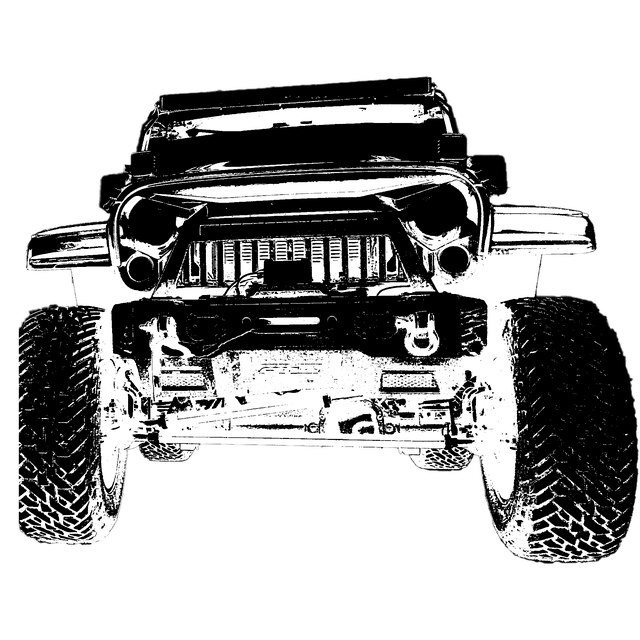
The maintenance and longevity of truck recovery equipment are paramount for any fleet operator, particularly in robust environments like Brownsville, where conditions can test the durability of these essential tools. Regular upkeep is not just a recommendation; it’s a critical strategy to ensure the safety and efficiency of recovery operations. For instance, consider the impact of well-maintained vs. neglected equipment—a study by the National Institute for Occupational Safety and Health (NIOSH) highlights that proper maintenance reduces equipment failure rates by up to 75%, significantly lowering the risk of accidents during truck recoveries.
Brownsville fleet truck recovery equipment faces unique challenges, from extreme temperatures to corrosive environments, necessitating a tailored maintenance approach. A proactive strategy involves implementing a structured schedule that includes regular inspections, lubrication, and replacement of worn parts. For example, winches and cranes, integral components in many recovery operations, require frequent greasing and tension checks to prevent sudden failures under stress. Moreover, ensuring proper storage conditions between uses can extend the lifespan of these assets by preventing rust and damage.
Actionable advice includes establishing a dedicated maintenance team or partnering with experienced service providers who understand Brownsville’s specific demands. Regular training sessions for personnel on equipment care further enhance longevity. By prioritizing maintenance, fleet managers in Brownsville can expect improved recovery efficiency, reduced downtime, and lower long-term operational costs. This investment not only guarantees the safe and effective use of truck recovery equipment but also underscores a commitment to maximizing the fleet’s overall productivity and durability.
Innovations in Brownsville Fleet: Enhancing Truck Recovery

The Brownsville fleet, a cornerstone of the regional transportation infrastructure, has witnessed significant advancements in its equipment over the years, particularly in the realm of truck recovery. These innovations are pivotal in enhancing operational efficiency and safety within the bustling metropolis. One notable development is the integration of advanced Brownsville fleet truck recovery equipment, designed to navigate the unique challenges presented by the city’s intricate network of roads.
For instance, modern recovery vehicles equipped with specialized lifting mechanisms and enhanced stability systems have proven invaluable during incidents involving overturned or immobilized trucks. These sophisticated machines allow for swift and secure extraction, minimizing disruptions to urban traffic flow. Moreover, the adoption of remote control and GPS tracking technologies has further revolutionized fleet management. Supervisors can now remotely monitor vehicle locations, enabling efficient deployment and proactive incident response. Data from these systems reveals a notable reduction in recovery time, leading to substantial cost savings for both fleet operators and city authorities.
As expertise in this field continues to evolve, experts suggest focusing on customized solutions tailored to Brownsville’s specific topography and traffic patterns. Future-proofing the fleet with adaptable, high-tech equipment will ensure optimal performance and preparedness. This strategic approach, combined with regular training for recovery personnel, is essential to maintain a safe and efficient transportation network within the dynamic urban landscape of Brownsville.
By exploring the multifaceted world of truck recovery equipment, from understanding quick disconnects to examining the innovative practices of the Brownsville Fleet, this article has unveiled crucial insights for maximizing efficiency and safety. Key takeaways include the importance of choosing the right equipment tailored to specific scenarios, the critical role of proper installation and safety protocols, and the need for regular maintenance to ensure longevity. The case study on the Brownsville Fleet underscored how strategic equipment utilization can revolutionize recovery operations, setting a benchmark for best practices in the industry. Moving forward, professionals in this field should prioritize staying updated with innovations, adopting efficient practices, and ensuring thorough training to leverage the latest advancements in Brownsville fleet truck recovery equipment, ultimately enhancing operational capabilities and safety standards.